Nurturing Families from the NICU & Beyond—In Partnership with Bobbie.

There are moments that feel small from the outside.
A room. A handful of providers. A short conversation. And yet, something shifts.
Last week, alongside Bobbie, we gathered a group of providers who care for women and families at different moments across the perinatal journey. Pediatricians. OBGYN teams. Feeding specialists. Mental health clinicians.
Providers who, in their day-to-day work, are deeply connected to the same families, but rarely in the same room.
The intention was simple. Not to present. Not to teach. Not to solve. But to pause. To listen. To sit in the complexity of early motherhood together. What unfolded was something much more meaningful than we could have planned.
One of our therapists, Becca Hamilton, reflected on the evening in a way that captured it best:
Our evening with Bobbie offered something rare in healthcare…shared space.
A room filled with providers who, in their day-to-day work, often move along parallel paths caring for women and families but rarely have the opportunity to pause together.
Pediatric providers, OBGYN teams, feeding specialists, dieticians, and mental health professionals gathered not around a clinical problem to solve, but around conversation, reflection, and a shared commitment to the wellbeing of mothers, babies, and families.
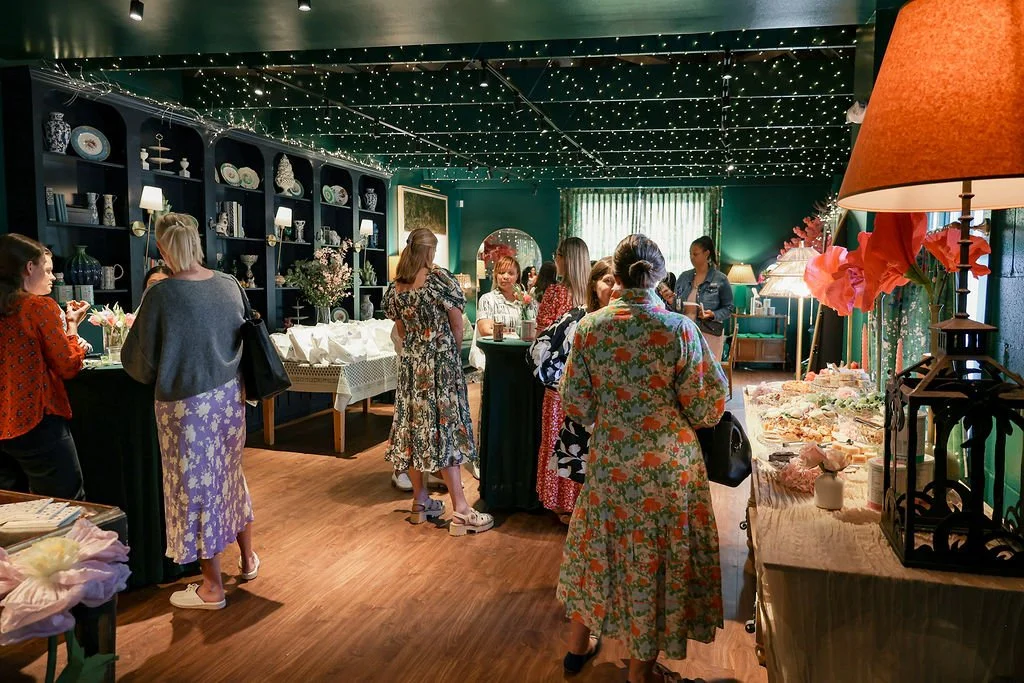
As a mental health professional, it is easy to feel siloed.
Much of our work as therapists happens behind closed doors, in quiet rooms where stories unfold privately and slowly. We often hold pieces of a family’s experience that other providers may not see, just as they hold pieces we may not witness.
Because of this, collaboration can sometimes feel more conceptual than lived.
But being in this shared space felt different!!
There was something meaningful about seeing the array of providers who support families at different moments along the perinatal journey:
Obstetricians who meet mothers at the beginning of pregnancy
Pediatricians who care for babies in their earliest months and years
Feeding specialists and dieticians who help families navigate nourishment and growth
Mental health clinicians who sit with the emotional and psychological landscape of motherhood
During the event, I had the opportunity to spend time speaking with two medical assistants from an OBGYN practice at Morehouse about the important role they play in a patient’s experience. We talked about how they are often the very first interaction a woman has when she arrives for her visit by taking vital signs, asking initial questions, and helping her transition into the clinical space.
What stood out in our conversation was their awareness of the impact those first few moments can have on a woman’s nervous system. A calm tone, a warm presence, and a few intentional words are small interactions that can help a patient begin to settle, especially when she may be arriving with anxiety, uncertainty, or vulnerability.
It was a meaningful reminder that care begins before the provider enters the room. The experience of safety and regulation can start in those very first moments of connection, and medical assistants play a vital role in shaping that experience for the women and families they serve.

Many in the room were not only providers, but also mothers themselves.
That dual identity created a quiet understanding woven throughout the evening.
The conversations carried both professional insight and lived experience which serves as a reminder that the work of caring for families often intersects with our own stories.
One theme from the panel stood out in particular:
The quiet but important work of helping mothers move away from binary thinking.
So often in motherhood, and especially in the early or more challenging seasons, women can feel pulled toward extremes such as:
Doing it right or doing it wrong
Being a good mother or failing
Feeling grateful or feeling overwhelmed
For example, “I am failing because I am giving my baby formula;” or “I am a bad mom because I am so distraught by my baby being in the NICU.”
The panel reflected on how easily these either/or narratives can amplify anxiety and shame.

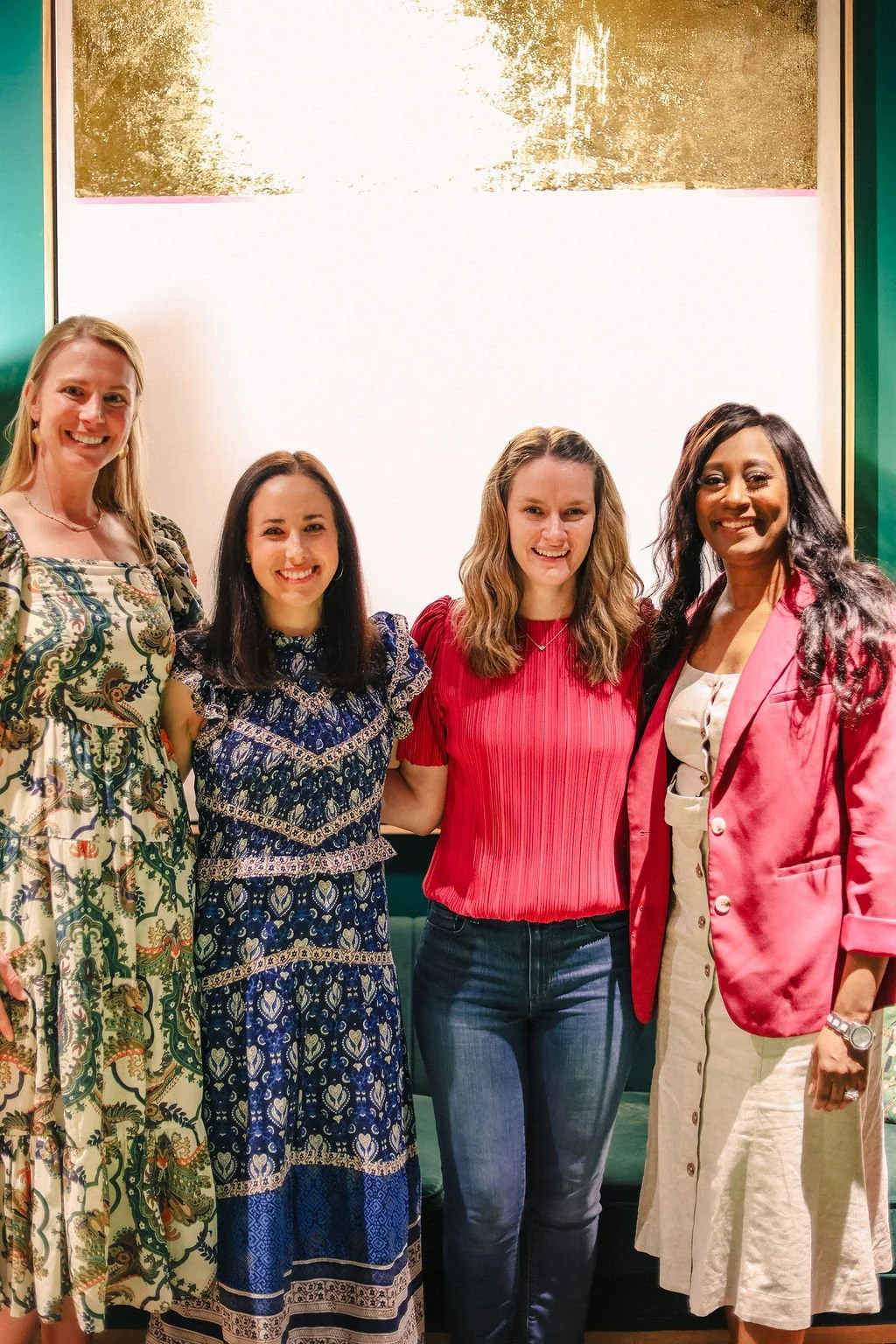
A huge thank you to our panelists: Becca Hamilton, Lee Anne Gilmore, Mallory Whitmore, & Dr. Jessica Daigle.
Listening to the panel and the dialogue that followed highlighted that no single provider holds the entire picture of maternal and family wellbeing.
The strength of care emerges when these perspectives come together.
When pediatricians understand the emotional load a mother may be carrying.
When mental health clinicians appreciate the medical complexities families are navigating.
When feeding specialists and dieticians are part of conversations about regulation, stress, and family dynamics.
Moments like this are significant because they challenge the isolation that can develop within healthcare systems. They remind us that the work of supporting mothers and families is inherently collaborative.
This evening felt like a small but meaningful step toward that kind of care, one where collaboration is not simply an ideal, but something actively being built, conversation by conversation, and where mothers are gently supported in living within the complexity and fullness of the in-between.
Thank you, Bobbie and thank you, Mère, for creating a space for us! I look forward to more of this in the near future.
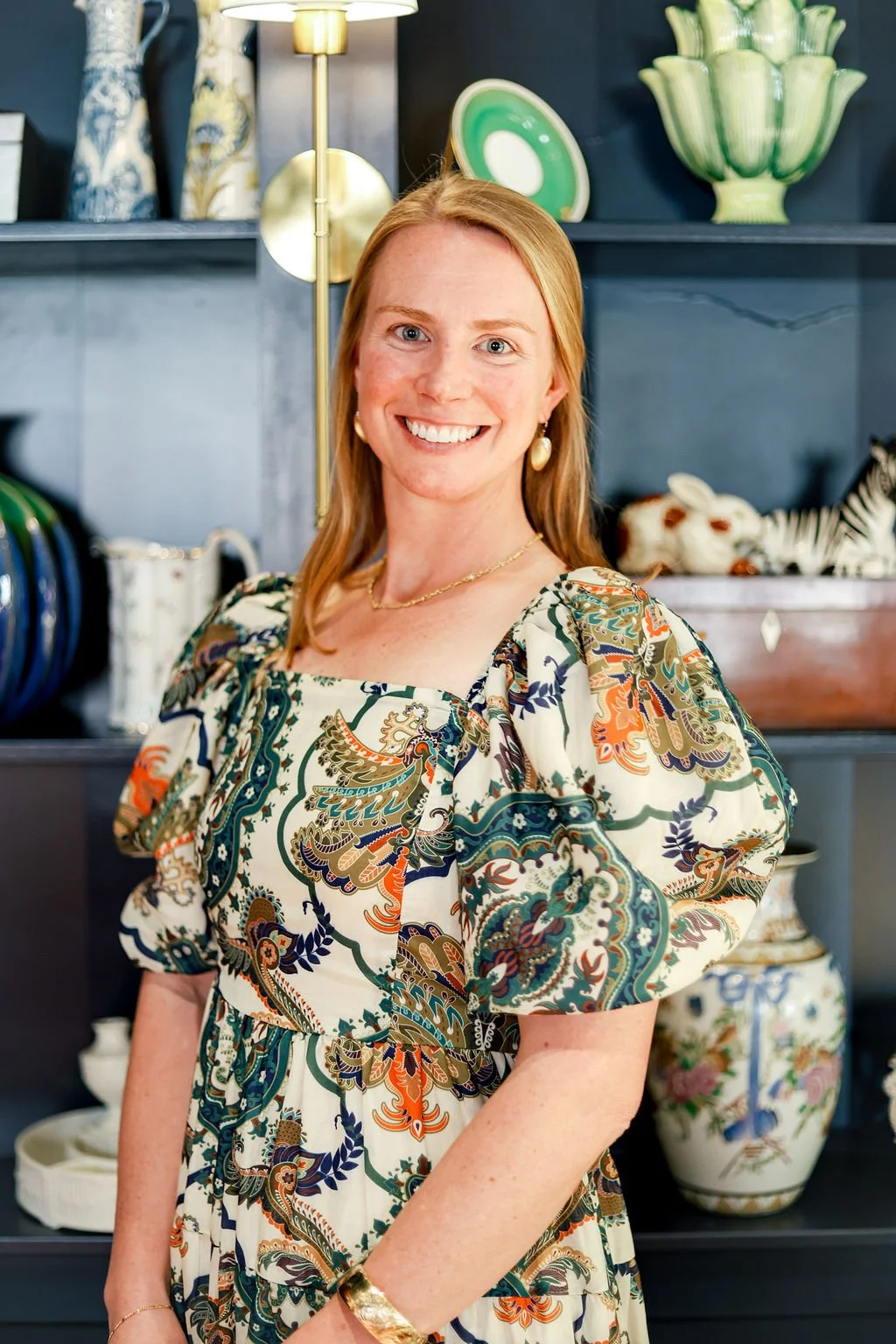
And one more thought…
When I was moving through my maternal mental health training, it felt like a distant dream to one day be in conversation with the providers who care for mothers and families across the medical system.
Hospitals, NICUs, and pediatric offices often felt like castles with big gates. They were places I deeply respected, but I felt unsure how to even approach or begin a conversation about the mental health care I hoped to offer mothers.
I remember wondering, “How does a therapist even find her way into these spaces?”
Through Mère, that dream has slowly become reality. I have had the privilege of sitting in rooms with pediatric providers, OBGYNs, feeding specialists, and dieticians, all of whom are providers who care for families at every stage of the perinatal journey. These conversations are meaningful not just for collaboration, but for the mothers and families we serve together.
What once felt like a closed gate has become an open table. And I am deeply grateful for the ways Mère has made those connections possible.
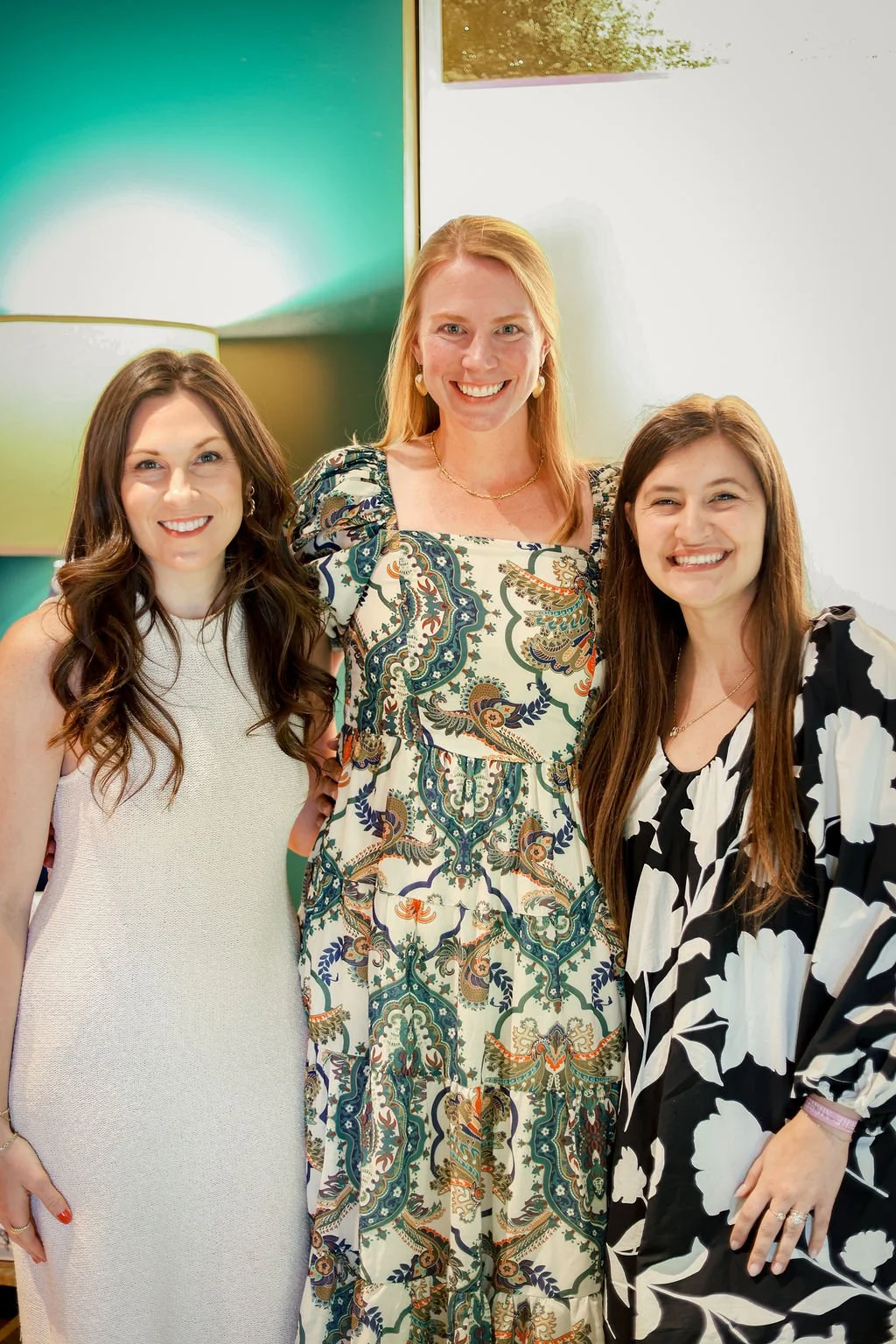
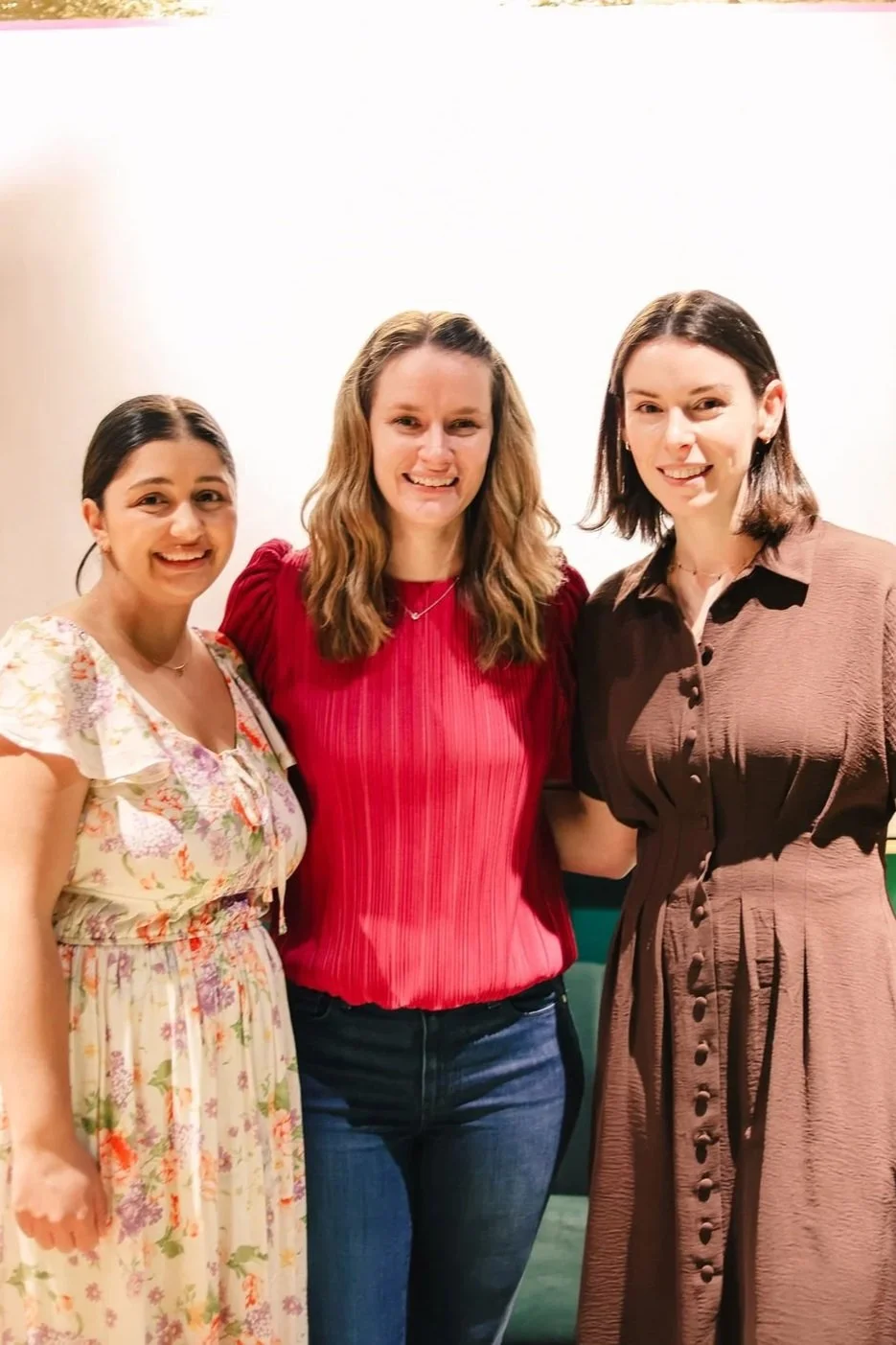
What Becca names so clearly is something we believe deeply at MÈRE.
Care was never meant to happen in silos. And yet, so often it does.
A mother moves from one provider to the next. Obstetrics to pediatrics. Feeding support to mental health. Each holding a piece of her experience, but rarely sitting alongside one another to see the full picture.
When that happens, the burden of integration falls on her.
To explain. To connect the dots. To make sense of what feels complex and, at times, contradictory.
But when providers come together, even briefly, something shifts.
The experience of care becomes more cohesive. The language becomes more gentle.
The space for the “middle” begins to widen. And in that middle, mothers can catch their breath.
This evening was a reminder that collaboration does not have to be large or formal to be meaningful. It can begin in small rooms. In conversation. In curiosity. In a willingness to listen across disciplines.
What once felt like separate systems can begin to feel like a shared table.
And for the mothers and families we serve, that shift matters more than we can measure.
We’re deeply grateful to Bobbie, and to every provider who showed up with openness, thoughtfulness, and care.
This is the kind of work we hope to continue building. Together.