Meet the Provider: Krista King
Meet the Women Behind Your Care
Choosing a therapist, especially in a virtual space, can feel like a big leap. These conversations are an invitation to know the women who will be sitting with you. Not just their credentials, but how they think, what they notice in motherhood, and how they show up in the (virtual!) room. So when you’re ready, it doesn’t feel like booking with a stranger. It feels like beginning with someone who already understands.
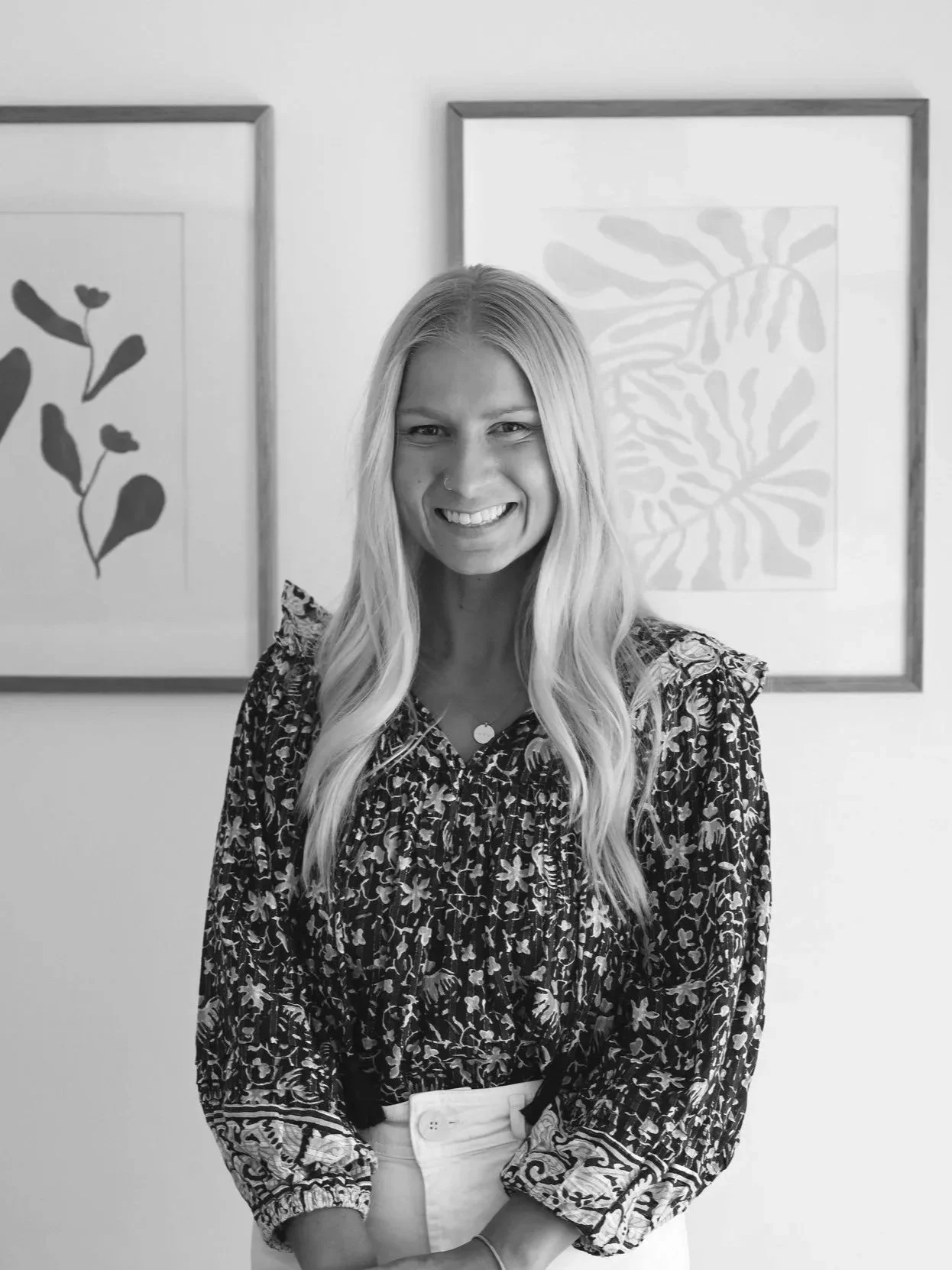
Krista’s “Why”:
What drew you to this work?
I first entered into this work because I loved seeing people set free from false narratives and beliefs about themself and the world around them.
I didn't always plan to work with couples and families.
Even as a Licensed Marriage and Family Therapist, I assumed I would primarily work with individuals, just through a “systems lens”.
In other words, I didn't just want to understand the person sitting in front of me, but the family and environment that shaped them.
But overtime, I found myself sitting with many lonely, burnt out moms. Again and again asking them if they would be willing to let their partner join us. I hadn’t set out to do couples work, but my work with women and children kept leading me there.
It became clear: families, and especially marriages, needed support. Because within a family system, a strong marriage shifts everything.
Was there a moment or realization that shaped this?
As I started working with more couples, I noticed a pattern. Many had been married for 10+ years and were sitting across from each other like strangers.
I found myself wondering: what happened in those first 10 years?
The answer was almost always the same—babies, toddlers, growing children. Many couples began drifting apart in the early postpartum years, and the distance only widened as the emotional demands of parenting increased.
What keeps you in this work today?
I know first hand that motherhood can be exhausting. You can never clock out or get someone to cover for you, because motherhood is not just physical. It's realizing that you truly will never feel like you have done it all because it's physically impossible to and that is okay.
The problem is, so many of us try anyway. We try to hold it all, manage it all, be it all. But that was never the design.
What Krista Sees in Mothers:
What are you noticing in both women and their partnerships during this season—what feels especially tender, strained, or often left unspoken between partners?
What I was seeing went beyond exhaustion.
There was often a quiet loneliness, even when they weren’t physically alone. A sense of carrying more than they had space or support for while also having to often work outside of the home as well.
So often women felt completely unseen and cared for by their husbands who didn't quite understand how much their whole identity and world had shifted and husbands felt neglected by their wives as all of their energy and focus was now on the kids and babies.
Life looked different but it was often left unspoken and the resentment grew year after year.
What feels misunderstood, minimized, or often left unspoken in motherhood?
What often goes unspoken is how much pressure women are holding to be everything for everyone, while also feeling disconnected from themselves and, at times, from their partner.
Where do you see women struggling the most—and what do you wish more people understood about that?
Motherhood can be tiring. You can never clock out or get someone to cover for you, because motherhood is not just physical.
It’s also the mental and emotional load of feeling like you can never fully “get it all done,” while still believing you should be able to.
Krista’s Approach to Care:
How would you describe the way you show up for your clients?
In my work, I use a model called Restoration Therapy, where we focus on strengthening the “us.” Because every relationship holds three identities: you, me, and us.
I often ask couples to tell me about the beginning of their “us.” What made them fall in love? What did those early years feel like?
What does it mean, in practice, to “come alongside” someone in their story?
In our work, this often means slowing down enough to really understand what is happening beneath the surface, rather than immediately trying to fix it. It looks like having someone to help you walk through some of the places you've maybe been avoiding. Oftentimes just understanding our pain will be enough for us to be able to move forward in healing.
How do you help clients move from feeling overwhelmed to feeling more grounded and self-trusting?
In my work, I often help couples map out their cycle: What sets them off? Where do they keep getting stuck? What are the pain points that seem to continually get triggered?
There is so much freedom in being able to name and identify these patterns. I remind my clients: it’s not you against each other—it’s you together against the cycle.
And that shift brings hope.
What Krista Wants Mothers to Know
When a mother is in the thick of it—what would you want her to hear from you?
To the mother in the thick of it I want you to hear this: you are my hero.
You show up every day, every night, knowing the needs of your family before they are ever expressed and you carry it all.
These are the fullest days of your life, it's okay to feel joy, grief, and exhaustion all at the same time.
What does healing or growth actually look like in your work?
Self awareness and regulation is the goal, not perfection.
Growth often looks like feeling less stuck in the same patterns, more able to understand what is happening in the moment, and more connected to both yourself and your partner.
A Closing Word from Krista:
”It may feel never ending but it's only a season. Take a deep breath in, exhale. There is support available, and there is a path forward even if it doesn’t feel clear yet.
My invitation is simple yet requires great courage: if you feel tired, burnt out, or worn down, you are not alone. Deeper connection leads to greater peace. And that journey begins with a willingness to be vulnerable—and to invite others in.”