Meet the Provider: Mary Hathaway Busby
Meet the Women Behind Your Care
Choosing a therapist, especially in a virtual space, can feel like a big leap. These conversations are an invitation to know the women who will be sitting with you. Not just their credentials, but how they think, what they notice in motherhood, and how they show up in the (virtual!) room. So when you’re ready, it doesn’t feel like booking with a stranger. It feels like beginning with someone who already understands.
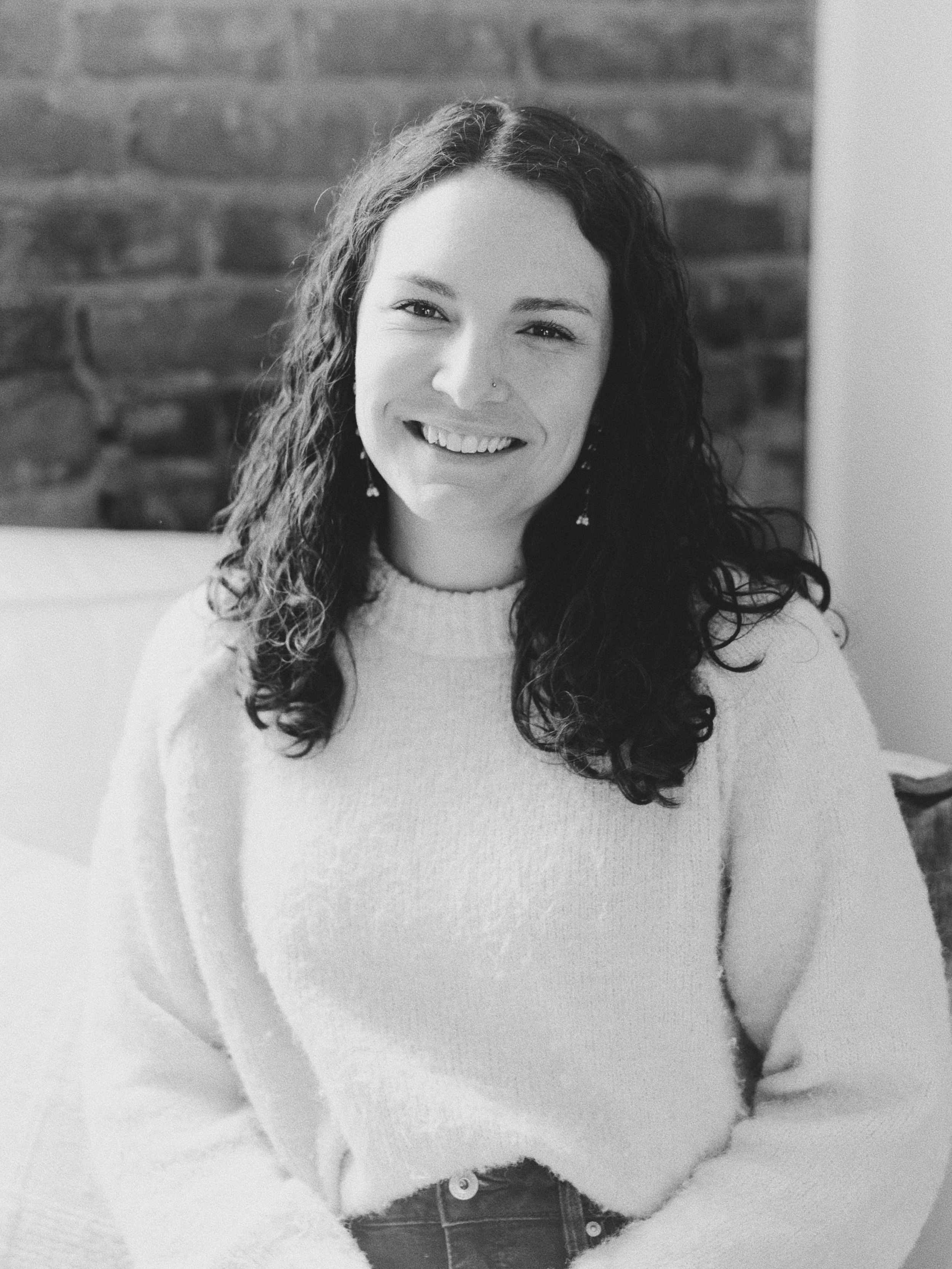
Mary Hathaway’s “Why”:
What drew you to this work—both social work broadly and maternal mental health specifically? Was there a moment, experience, or realization that shaped your desire to support women in motherhood? What keeps you in this work today?
My first few years in the social work field, I was thrown into working with parents despite not being one myself.
I was drawn to mothers especially, seeing the deep care they held for their children, while also balancing work, finances, their relationships, and caring for themselves.
I was amazed and in awe of the balance it took and also was growing more aware that moms were so often not getting the support they needed.
When I became a mother myself, even after working with moms in the perinatal space, I was completely unprepared for what that shift would look and feel like in my own life. You could say I knew all the right things, but that didn’t keep me from developing a PMAD (perinatal mood and anxiety disorder) or from feeling really shaken from my birth and postpartum experience.
My own experience increased my passion and desire to help moms in this space, and it also led to me completing more specialized training in perinatal mental health, anxiety disorders, and grief and loss in order to know and be able to work with women using therapeutic tools that we know work well and create a difference in women’s lives.
I stay in this work not just because I know there is a need, but also because I genuinely love it; getting to be with women through their trials and their wins is an incredible honor and privilege that I don’t take lightly.
What Mary Hathaway Sees in Mothers:
What are you noticing in the women you work with right now? What feels misunderstood, minimized, or often left unspoken in motherhood? Where do you see women struggling the most—and what do you wish more people understood about that?
Mothers right now are balancing so much.
We are talking more about perinatal mental health, which I think is huge.
However, as I shared from my own experience, knowing the “right” things about handling motherhood or mental health doesn’t keep you immune from experiencing those challenges in really difficult, isolating, and scary ways.
Even as people are talking about these struggles more, I think there is still a need for more evidence-based care, which means using the treatments we know work for different conditions.
Mary Hathaway’s Approach to Care:
How would you describe the way you show up for your clients? What does it mean, in practice, to “come alongside” someone in their story? How do you help clients move from feeling overwhelmed by anxiety or intrusive thoughts to feeling more grounded and self-trusting?
In sessions, I’ve been told I am gentle but direct. It’s not uncommon for tears and laughter to be happening within minutes of each other in a session.
I believe in being clinical (as in, we do talk about diagnosis and treatment expectations), but also human (I’m not immune to tearing up hearing your story or letting my mouth hang open at hearing what someone in your life said to you).
Since I work with many women who have experienced intrusive thoughts, I tell my clients all the time that nothing shocks me, and that one of the beautiful things I get to see is the commonalities so many women hold even in the uniqueness of each of their stories.
I want you to feel not alone, and I also want you to grow in understanding yourself through our work, which is why I incorporate psychoeducation. Even in the most confusing and disorienting times, our behavior and our minds make sense, even if it takes some untangling to get there. I want the clients I work with to believe and understand this, and be able to take it with them out of sessions in order to live with more self-compassion and groundedness.
Anxiety, grief, OCD, and identity changes are overwhelming and can make you feel like you’ve lost yourself. Whether these stem from pregnancy and postpartum, relationship changes, parenting, miscarriage, infertility, or job shifts, these parts of your life are complex and require understanding and care.
In sessions together, we talk about the realities of those things, while also gently coming back to your true voice; one that is clear, confident, and connected, even if it takes some time to find that voice.
What Mary Hathaway Wants Mothers to Know
When a mother is in the thick of it—overwhelmed, anxious, or feeling like she’s “failing”—what would you want her to hear from you? What does healing or growth actually look like in your work (not perfection, but progress)?
I want mothers to know that the fact that they are holding so much worry or fear or care for their kids, their jobs, their relationships, shows just how much they value those things.
We fear and worry over the things that mean the most to us.
It’s easy to think the worries about failing as a mother mean you are failing as a mother, when in fact, it’s usually quite the opposite.
Progress, healing, and growth looks like the women I work with recognizing how much they are doing and holding, showing compassion for themselves, and living a life that they care about even when things are hard.
A Closing Word from Mary Hathaway:
“If you’re in a hard season of motherhood right now, you’re not alone. There is help and there is hope. Motherhood is hard, and you deserve support. ”